Free · no economics degree required · step by step
Money isn't a mystery. It just hasn't been explained to you.
Understand how money is created, how governments really spend, what causes inflation, and why economists disagree.
A free, step-by-step introduction to macroeconomics, drawing on Modern Monetary Theory and other major economic perspectives. No economics background required.
What you'll learn
- How money is created, by banks and by government
- How a currency-issuing government really spends, taxes and borrows
- What drives inflation, and what the RBA does about it
- Why economists disagree, and how to tell facts from arguments
- How economic theories shape Australian policy on jobs, tax, trade and housing
Start here
Five videos and one written lesson, in this order: about 59 min of video, 1 h 55 min with the reading and questions
-

Money in the modern economy: an introduction - Quarterly Bulletin
The Bank of England explains what money is today: mostly bank deposits, and every kind of it an IOU.
-

The MYTH of Barter, and why it harms us
Forget the barter story you were taught. Brett Scott shows why anthropologists doubt money was invented to replace swapping goods. The longest step, at 25 minutes.
-

How To Create A Currency From Scratch (Long Version)
Why would anyone want a currency? Kelton's classroom role-play gives the MMT answer: a tax that must be paid in it.
-

Stephanie Kelton: The big myth of government deficits | TED
A government that issues its own currency is not a household. Kelton's TED talk on what a deficit is, and what the real limit is.
-
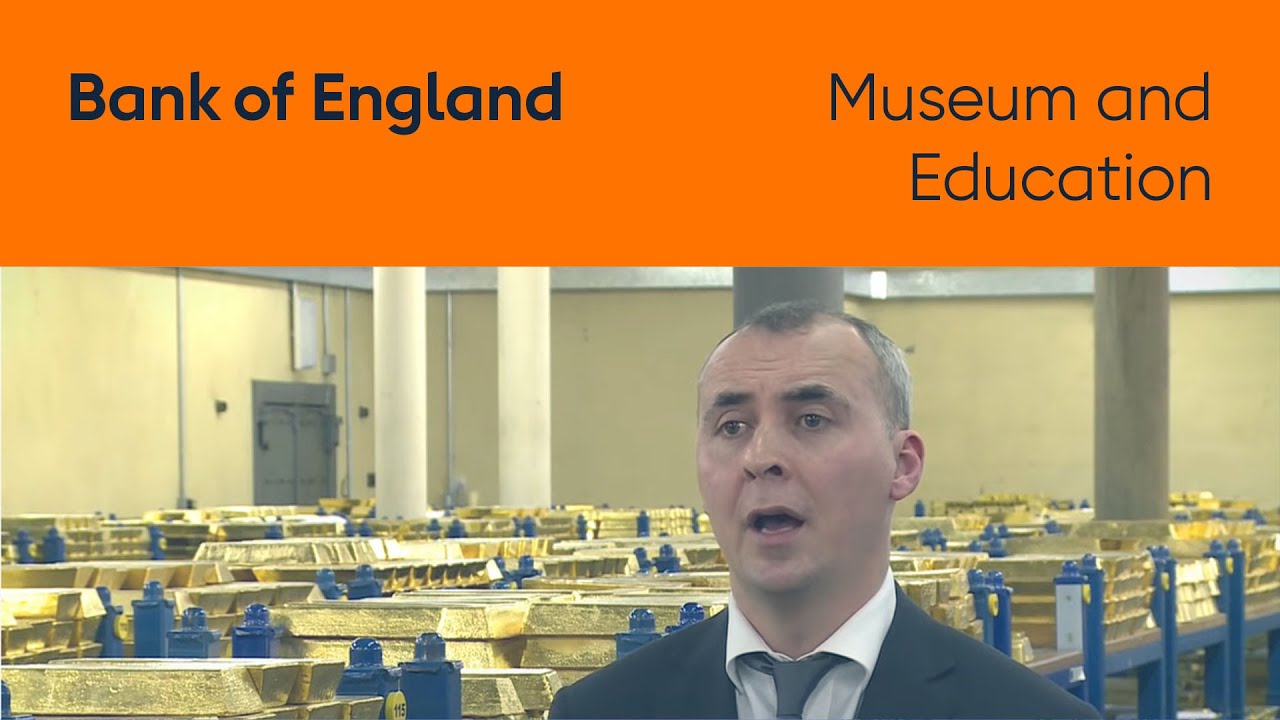
Money creation in the modern economy - Quarterly Bulletin
Banks don't lend out your savings. They create new deposits when they lend. Five minutes from the central bank itself.
-
Pause: connect the first five ideas
A few quick questions that put the first five ideas together, before the last lesson. About 10 minutes.
-
Written lesson
What limits government spending? Demand, capacity, inflation and jobs
If money isn't the limit, what is? A short written lesson on demand, capacity, inflation and jobs.
Finished these? Carry on with the course, or pick a topic below.
Go deeper by topic
Each topic starts with the key ideas, then runs beginner to intermediate
-
1 ·
4 lessons · 1 h 5 min
What is money?
Start here. What money is today (cash, bank deposits and central bank money), the competing accounts of where it came from, and why people accept a currency at all.
-
2 ·
5 lessons · 2 h 15 min
Government spending
How the Australian Government's spending, taxing and borrowing actually work, and the debate over how far a currency-issuing government can spend before inflation and other real limits bite.
-
3 ·
4 lessons · 1 h 5 min
Banks & debt
How private banks create money when they lend, what limits them, and why some economists see private debt as the bigger risk.
-
4 ·
4 lessons · 45 min
Inflation
What pushes prices up, how the RBA uses interest rates to bring inflation down, and the debate over who pays and whether there are better tools.
-
5 ·
5 lessons · 1 h 5 min
Jobs & the economy
How unemployment is measured, how the RBA links it to inflation through the NAIRU, and the MMT case for a Job Guarantee, with its critics.
-
6 ·
4 lessons · 1 h 10 min
Tax
What taxes do in an economy whose government issues its own currency, why MMT and mainstream economists describe their role differently, and how Australia taxes housing, land and work.
-
7 ·
4 lessons · 53 min
The global economy
Exchange rates, trade and capital flows, and how much freedom different countries really get from issuing their own currency.
-
8 ·
3 lessons · 6 min
Housing
Why Australian housing became so expensive, and the competing explanations: interest rates and bank credit, planning and supply, tax settings, and the politics of a market most voters own a stake in.
Learn from people who study this for a living.
Our library brings together economists, university researchers, central banks including the Bank of England and the Reserve Bank of Australia, the Australian Treasury, journalists and experienced economic educators. Every resource is chosen for its ability to explain an important idea clearly, and where economists disagree, we say so and show you the competing explanations.
How this site works
Every video here is a lesson. We tell you what you should understand before you press play, give you three things to remember afterwards, and ask a question or two so you can check you've got it.
Where economists disagree, we say so in a box marked Where this is contested, and open it up: what's established, what each side argues, where the real disagreement lies, and what evidence would settle it. Unfamiliar terms link to a glossary that opens in place.
The site has a point of view. It draws on Modern Monetary Theory and post-Keynesian economics, and it teaches mainstream economics properly too, often in the words of the Reserve Bank and Treasury, so you can judge the arguments for yourself. More about the approach.
Economists don't all think alike. To understand the competing schools of thought, from classical and Keynesian economics through monetarism to post-Keynesian economics and MMT, and to see exactly where they agree and disagree, read The competing schools of thought in economics.